Strengthening Teamwork and Engagement through Efficient Telepresence Systems in Conference Rooms
Wiki Article
Telepresence platforms have revolutionized the way companies manage discussions and collaborative sessions. Contemporary solutions allow attendees to connect efficiently across various locations, bridging spatial constraints that previously limited team interactions. Superior sound and video technology provides that meetings are not only understood but also visually contextualized, which assists teams sustain attention and involvement. By integrating these solutions into discussion areas, businesses can simulate in-person experiences, making remote collaboration more effective. Moreover, systems often provide tools such as content sharing, document annotation, and interactive boards, which improve the ability to manage detailed tasks in real time.
The configuration of a meeting space has a significant function in the success of remote systems. Optimal lighting, audio design, and layout of seats enhance to a more engaging digital meeting. For instance, evenly distributed lighting eliminates dark spots and improves video quality, while sound management limit noise and background noise, boosting audio quality. user-friendly seats and well-organized layouts allow team members to maintain attention during extended meetings. These environmental considerations, paired with high-quality platforms, establish a setting that promotes active participation and continuous attention.
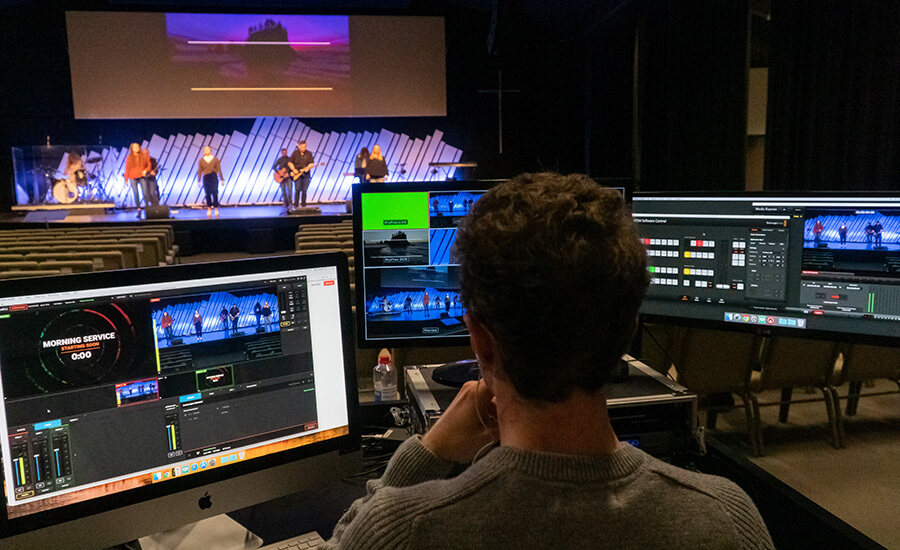
Effective solutions require user-friendly interfaces and simple navigation. When users can easily control meetings, switch between display settings, or present materials without problems, meetings proceed more smoothly. Instruction and assistance are essential, as even the most advanced systems will fail if participants are unfamiliar about their function. Organizations often develop guidelines for telepresence meetings, outlining recommended methods for launching sessions, displaying information, and encouraging input from all attendees. These procedures promote active participation and minimize disruptions during collaborative sessions.
Connection with other digital tools further strengthens telepresence solutions in meeting spaces. For example, linking systems with workflow platforms, online storage, visit this website or communication applications allows teams to get information and synchronize data instantly. Team tools like joint work areas, instant surveys, and chat functions enhance team engagement, making sure that virtual and local team members engage equally in projects. These linkages strengthen operational performance, limit duplication, and keep teams synchronized among staff, irrespective of their office.
Ultimately, organizations that adopt effective systems gain significant outcomes in both collaboration and involvement. Teams experience higher satisfaction levels, quicker resolutions, and stronger deliverables when interaction is effective and inclusive. With a combination of advanced technology, strategic room layouts, intuitive user experiences, and connected tools, companies film screening room configurations create an space where attendees feel connected, aware, and ready to engage. Gradually, these advancements result in enhanced teamwork, more innovative solutions, and a more collaborative environment overall.